
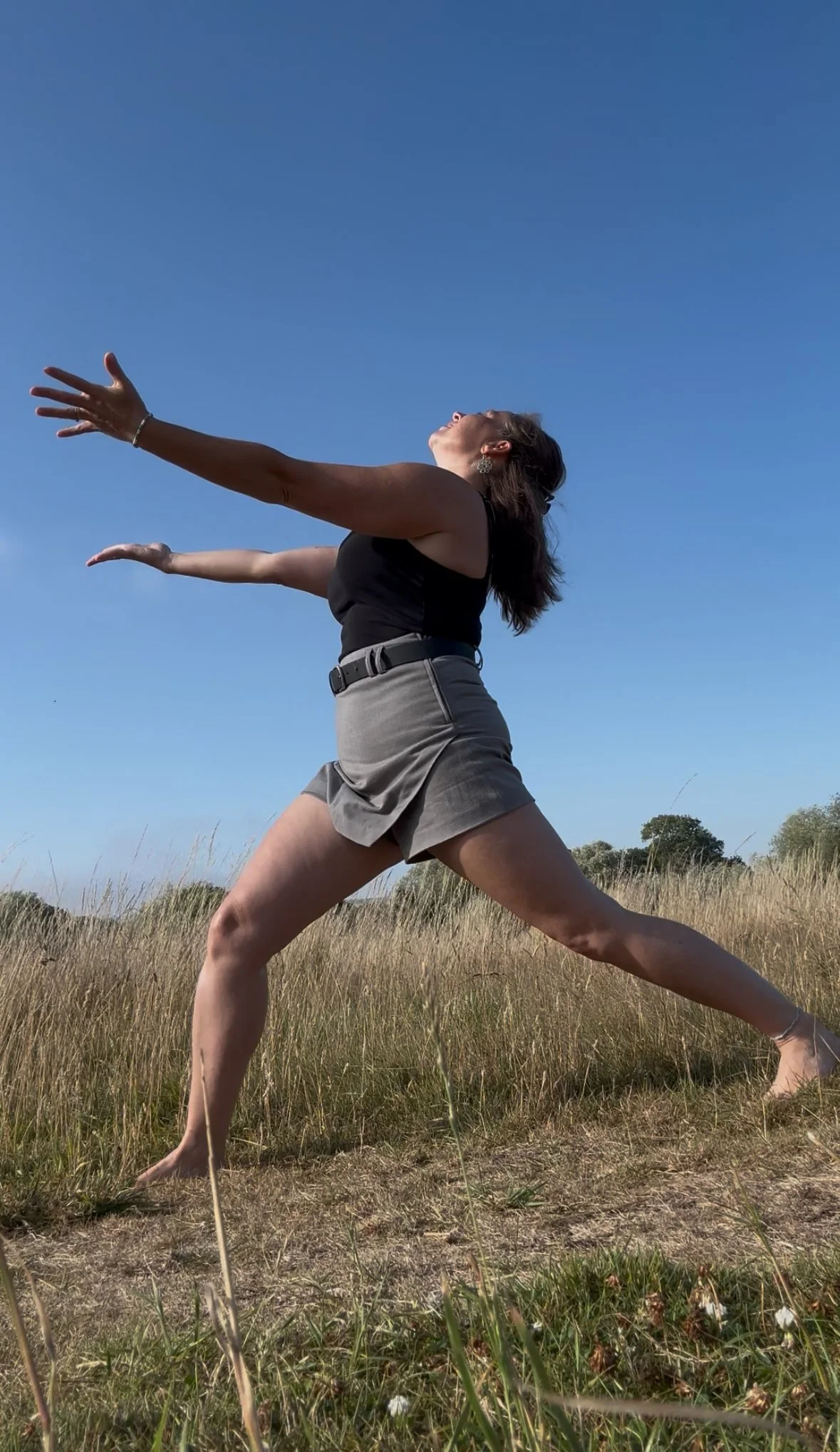
Embodying Your Attachment Style
Cultivating safety in body, heart & relationship
Welcome
This journey invites you to gently explore how your attachment style shows up in your body, your relationships, and your sense of self — always with compassion, curiosity, and kindness.
Attachment is not fixed. It grows and changes over time, shaped by our earliest experiences and by the healing we welcome into our lives as adults. With awareness, movement, and supportive connection, it is absolutely possible to shift toward secure attachment, no matter where you begin.
This isn’t about striving for perfection. It’s about coming home to your body, remembering what safety feels like, and opening into deeper, more authentic connection with yourself and others.
Start by taking the quiz below. Think of it not as a label, but as a mirror — an opportunity to see yourself more clearly and begin the journey of change.
A Gentle Note
This course and quiz are here to support awareness, reflection, and gentle growth. They are not diagnostic tools or a substitute for therapy. Exploring attachment can sometimes bring tender emotions to the surface — sadness, anger, longing, or even numbness. These responses are natural. They are your body’s way of remembering and protecting you.
Please be kind to yourself as you move through this material. If something feels too much, pause. Come back when you feel resourced. Healing doesn’t happen in a straight line — it unfolds in moments of curiosity, rest, and safe connection.
Support for Integration:
Ground yourself — notice your breath, the floor beneath your feet, or place a hand on your heart or belly.
Take breaks — sip water, step outside, or move your body gently before continuing.
Reach for connection — talk with a trusted friend, join the Awakening Souls community, or explore a 1:1 session if you need more personalised support.
Hold hope — attachment patterns are not fixed. They can soften, shift, and heal with awareness, practice, and compassionate relationships.
You are not alone in this journey. Each step you take towards understanding your attachment style is already a step towards more secure and fulfilling connection.
How The Quiz Works
The quiz offers questions about your relationship behaviours, physiological reactions, posture, and movement.
As you respond, tune into how your body feels — the tightness, softening, urges, or tensions that arise.
At the end, you’ll receive a summary of your predominant attachment style, how it may have developed, and how it shows up in your life now.
You’ll also be offered quick somatic tools you can begin using immediately to support your nervous system and shift toward more secure patterns.
Take the quiz when you feel relatively calm and resourced — ideally not in crisis. If any moment feels activating, pause, breathe, ground, and continue when you feel ready.
Identify Your Attachment Style
Take the reflective quiz to explore which attachment style you may be living in most of the time. Focused on behaviours in relationship, childhood influences and body signals.

Meet Your Guide: Vicki Plomer
Who I Am:
I’m Vicki Plomer, a trauma-informed practitioner and emotional well-being expert with a passion for helping people to reconnect with their self-worth. As a mother, dancer, and someone deeply connected to my own healing journey, I bring a unique blend of heart-centred compassion and practical tools to empower your growth.
Through years of experience, I’ve cultivated a space where people can feel truly seen, valued, and supported. My approach is grounded in empathy, authenticity, and a belief that healing starts with reconnecting to your body and your truth.
What I Offer:
A trauma-informed and compassionate approach that values your individual journey.
Tools to help you honour your needs and live in alignment with your authentic self.
Guidance in embodying self-worth and creating deeper connections with others.
Why I Do This Work:
I believe that setting boundaries isn’t just about saying “no”; it’s about saying “yes” to yourself and your desires. My mission is to help people step into their power with confidence, compassion, and ease.
Understanding The Different Attachment Styles
Recognising the attachment style responses in your body can help you build awareness, self-compassion, and new ways to support yourself and deepen the relationship with yourself and others.
Secure Attachment – Embodying Safety & Trust
Overview
Secure attachment usually develops when a child’s needs were met with warmth and consistency. As adults, securely attached people tend to feel comfortable with both closeness and independence. They trust that relationships can be safe places for vulnerability, repair, and joy.
-
The body feels grounded and balanced. Breath flows freely, posture is open without strain, and there is capacity to rest as well as to act.
-
Reaching out for support without shame.
Allowing closeness without fear of engulfment.
Repairing after conflict instead of shutting down.
-
Stand with feet hip-width apart, gently pressing into the ground.
Allow the spine to rise tall without forcing, shoulders soft.
Inhale and open your arms wide, expanding into space; exhale and return your arms inward.
Repeat, noticing the rhythm of belonging and individuality.
Why it works:
This practice reinforces the embodied memory of openness without fear and returning to self without collapse. Over time, it deepens trust in both self and relationship. -
Notice: You can share feelings without overexplaining or fearing rejection.
Shift: Celebrate small moments of trust and repair — they build the foundation of resilience.
Movement reminder: Practice opening and closing the arms, embodying the balance of closeness and independence.
Anxious Attachment – Softening the Urgency for Closeness
Overview
Anxious attachment often develops when a child received love inconsistently — sometimes present, sometimes absent. As adults, this can create a deep fear of abandonment, leading to overthinking, clinging, or sacrificing one’s own needs to stay connected.
-
What’s happening in the body:
Tightness in the chest, shallow breathing, forward-leaning posture. The body holds urgency, often feeling “on edge” and hyper-attuned to others. -
Constantly seeking reassurance.
Over-monitoring others’ moods.
Overgiving or collapsing boundaries to keep closeness.
-
Begin seated or standing, hands over your chest.
Slowly expand your arms outward, opening the chest, then bring them gently back.
Add a soft sway side to side, feeling movement without clinging.
End grounded, arms resting naturally by your sides.
Why it works:
The chest learns to open without desperation, and to soften inward without collapse. Over time, this practice helps build tolerance for closeness and distance, easing the anxious pull.
-
Notice: Do you feel your chest tighten when someone takes longer to respond? Are you planning ways to hold onto closeness?
Shift: Pause and ask yourself, “What am I needing right now, beyond reassurance?” Journaling or gentle movement helps separate need from fear.
Movement reminder: The Heart Expansion Flow helps the body learn that intimacy can exist without clinging.
Avoidant Attachment – Reawakening Presence & Sensation
Overview
Avoidant attachment often forms when a child’s emotional needs were not acknowledged, or independence was valued above closeness. As adults, this can look like self-sufficiency, emotional distance, or shutting down when intimacy feels too much.
-
Breath is often held, posture rigid, and sensation muted. The body creates distance by numbing or tightening.
-
Withdrawing when others seek closeness.
Over-focusing on tasks or achievement.
Distracting from intimacy with work, screens, or busyness.
-
Begin lying or seated. Slowly roll the shoulders, spine, or pelvis in a gentle wave.
Let the motion ripple through the body, noticing sensations.
Pause often, placing a hand on your chest or belly to anchor awareness.
Why it works:
The wave invites safe reconnection with sensation. Repetition builds trust that feeling doesn’t overwhelm, softening the protective barrier that resists intimacy. -
Notice: Do you pull away or feel irritation when someone asks for closeness? Do you numb out in conversation?
Shift: Experiment with staying present for a few breaths longer than usual in moments of closeness. Small increments matter.
Movement reminder: The Wave of Presence awakens sensation gently, reminding the body it is safe to feel.
-
What’s happening in the body:
Conflicting impulses show up in posture and breath — reaching forward then pulling back, freezing, or shifting suddenly. The body feels fragmented. -
Swinging between seeking and avoiding closeness.
Struggling to trust safety in relationships.
Reacting strongly to small triggers of rejection.
-
Stand with feet rooted. Begin circling your arms, then let the motion spiral into the torso, hips, and legs.
Flow forward and back, side to side, pausing at moments of stillness before returning to movement.
Imagine weaving the parts of you together with each spiral.
Why it works:
The spiral mirrors integration — moving between opposites in a coherent rhythm. It allows the body to experience both flow and pause safely. Over time, this supports wholeness and helps repair relational trust. -
Notice: Do you feel torn between reaching out and withdrawing at the same time? Do relationships feel like a cycle of push and pull?
Shift: Try naming both impulses: “A part of me wants closeness, a part of me wants space.” Naming creates space for integration.
Movement reminder: The Integrative Spiral helps bring fragmented impulses into flow, teaching the body coherence.
Disorganized Attachment – Finding Flow & Coherence
Overview
Disorganized attachment usually develops when the caregiver was both a source of comfort and of fear. As adults, this can create a push-pull pattern — craving closeness but fearing it at the same time. Relationships may feel confusing, overwhelming, or unsafe.
Healing Is Possible — Attachment Styles Can Evolve
Attachment patterns are not who you are. They are strategies your body learned to keep you safe in relationship. They were once protective — and they can change.
With safe connection, compassionate awareness, and somatic practice, many people grow into earned secure attachment. This doesn’t mean life is without conflict or challenge — it means you feel safer in vulnerability, more resilient in intimacy, and freer in expressing who you are.
You are not trapped in old patterns. You can heal. You can shift. You can embody deeper safety and authenticity in every part of your life.
What’s Next?
You don’t have to walk this healing journey alone.
Whether you're starting to recognise your attachment style or are ready to embody deeper safety and connection, having the right support can help you feel held, seen, and empowered.
Join Awakening Souls
A nurturing online space for women who are ready to soften attachment behaviours, reconnect with themselves, and awaken the wisdom held in their bodies.
Inside this ongoing monthly membership, you’ll receive:
✨ A Monthly Guided Exploration
Each month centres around a new theme to support your healing. You’ll be guided through gentle somatic practices, reflection prompts, and embodied tools to help you stay connected in daily life.
📱 Ongoing Support via Private Voxer Group
Receive compassionate, on-the-go voice note coaching from Vicki, plus daily somatic prompts and reflections to keep you anchored, even when life feels full.
🤝 Community Connection
Feel part of a supportive group of like-minded women on a similar path—sharing insights, encouragement, and real human connection.
💬 Live Group Support + Reflection
A monthly Zoom session offers a space to integrate your growth, celebrate your journey, and be lovingly witnessed just as you are
🧘♀️ Meditation Library
A library of meditations for you to access whenever you need.
🌅 Morning Movement
2x Somatic Movement Sessions Tuesday & Thursday mornings
👉 Click here to explore Awakening Souls
Or, Book a 1:1 Session with Vicki
If you're seeking deeper, personalised support, my one-to-one sessions offer a compassionate space for you to explore your survival patterns, reconnect with your true self, and embody your emotional resilience.
✨ Together we’ll explore what’s emerging in your body, in your relationships, and in your healing journey—at your pace, with trauma-informed care.
Remember:
Your healing matters.
Your voice matters.
You matter.
You are worthy of support, connection, and a life that feels like yours. Healing is not about becoming someone new—it’s about returning home to yourself.
With love,
Vicki x